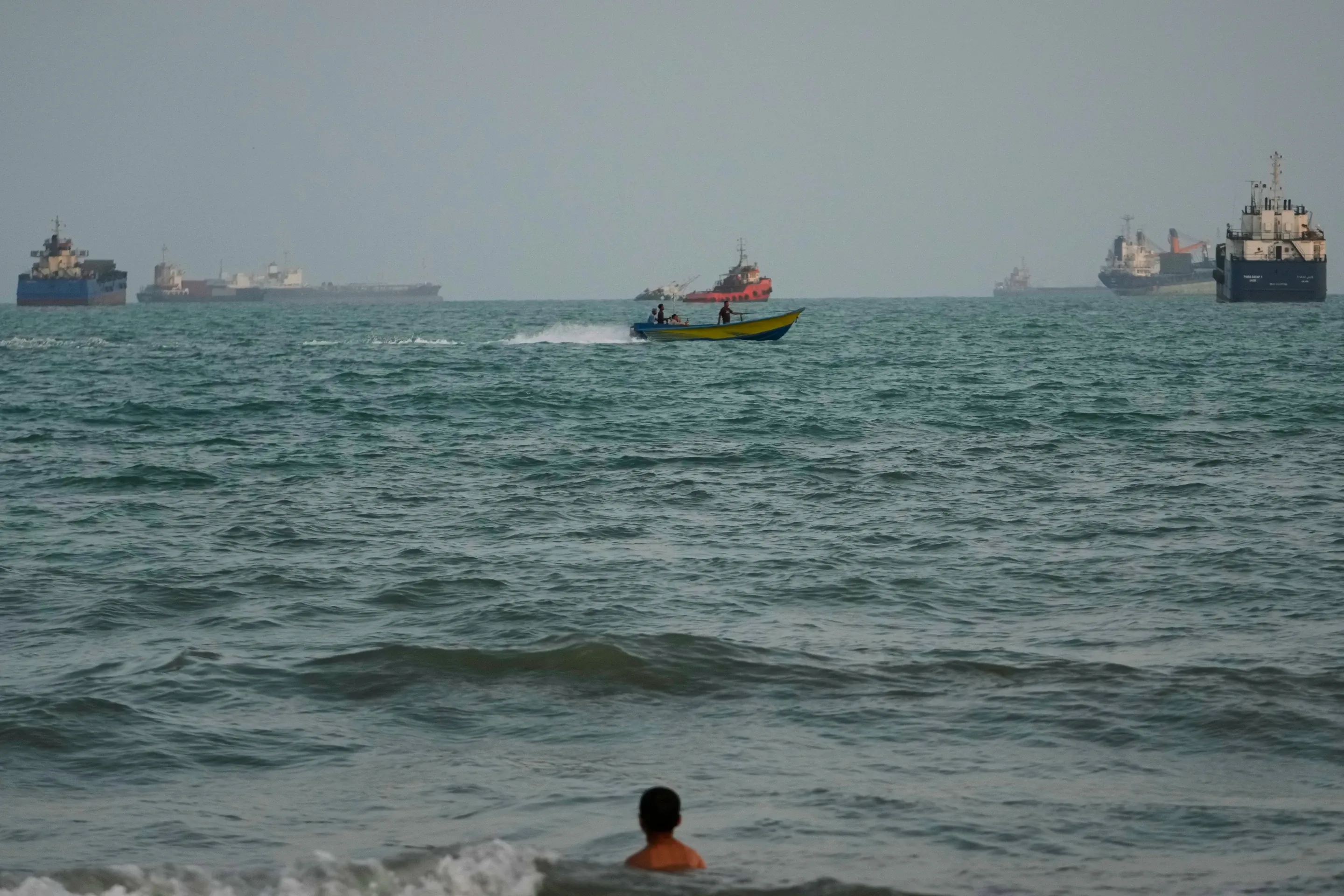
Iran stated on Sunday that it hit an unmanned U.S. vessel attempting to enter the Strait of Hormuz, marking the latest escalation in fighting between the two nations.
The United States did not immediately confirm the alleged attack, which followed a day after U.S. military forces reportedly struck three Iranian oil tankers in retaliation for a missile strike on Navy warships.
Hostilities initially began with attacks by the U.S. and Israel on Iran on February 28. However, since a ceasefire agreement was announced in June, intermittent fighting has continued as both sides attempt to inflict military and economic damage while negotiations have failed.
Strikes Resume After Week of Calm
The U.S. and Iran recommenced attacks last week after a period of relative calm, leading to renewed targeting of the Strait of Hormuz and Iranian communities along it. At least five individuals were killed earlier in the week during a U.S. bombardment of southern Iran.
The Trump administration has reportedly employed a two-pronged strategy against the conflict: responding militarily to attacks on the strait while also targeting foreign financial institutions that manage Iran's finances.
However, Tehran’s new senior hardline leaders have indicated readiness to persist despite decades of sanctions.
Over the years, Iran has developed methods to bypass sanctions and the U.S. blockade, enabling it to sell its oil to buyers to mitigate increasing economic strain. This effort partly depends on a shadow fleet used for transporting its oil.
Meanwhile, Iran's nuclear program—the issue that contributed to the war's outbreak—was intended to be addressed in negotiations that collapsed shortly after the U.S. and Iran signed a memorandum of understanding in mid-June.
Diplomats suggest that the U.S., Britain, France, and Germany are seeking to bring Iran before the U.N. Security Council for failing to meet its nuclear nonproliferation commitments.
Instead, Tehran's new focus leverages the Strait of Hormuz, which is vital for global oil and natural gas shipments and was considered an international waterway prior to the war commencing.