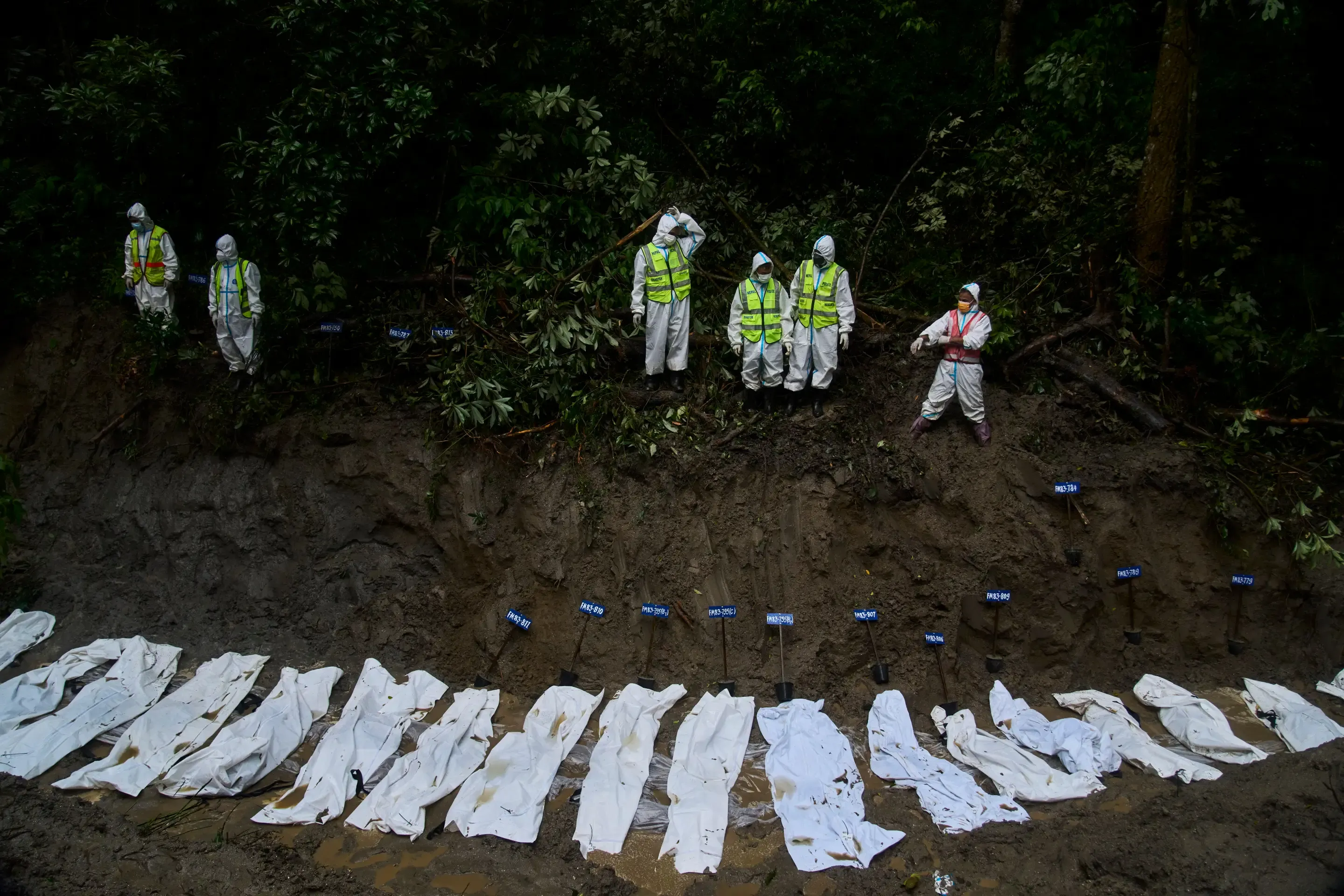
Officials stated Wednesday that some tourists who were previously reported missing in Nepal have made contact while search operations continue following catastrophic floods that killed at least 1,118 people and left over 3,900 individuals unaccounted for.
Nepal’s Foreign Ministry reported that 324 foreign nationals had been rescued so far, although approximately 590 people from 39 countries remained missing a week after the August 26 floods.
Missing Tourists Make Contact
Australian Prime Minister Anthony Albanese announced Wednesday that the count of Australians missing in the disaster had decreased from 43 to 38, following five individuals being confirmed safe overnight.
Albanese told reporters in Palau, where he was attending a regional summit, “Amidst all of this tragedy, we are seeing some positive news. Today, another five Australians have been confirmed safe.”
He added, “We hope, of course, for positive news further, and we’re doing everything we can to work with authorities.”
Sunil Sharma, a spokesperson for the Nepal Tourism Board, mentioned that at least five other foreign tourists who were previously reported missing had reached out to authorities via email or telephone in recent days.
China Builds Access Road for Rescue Crews
On the Chinese side, state broadcaster CCTV reported Wednesday that rescue crews finished constructing a temporary road to the disaster site at Gyirong Port on the Nepal border.
Crews are clearing access for heavy machinery intended for search operations at the border crossing complex, which was destroyed by the floods. The road leading to the crossing was buried under water, mud, and rocks and had been destroyed.
China separately reported 16 deaths and 546 people missing as of Sunday.
The disaster commenced on August 26 in the Himalayas when a glacial collapse sent rock, ice, and meltwater into the valleys below, triggering powerful floods downstream. The surge entered rivers flowing through Tibet and Nepal, causing them to rise rapidly. Floodwaters swept away homes, buildings, roads, and bridges, carrying mud and rocks downstream.